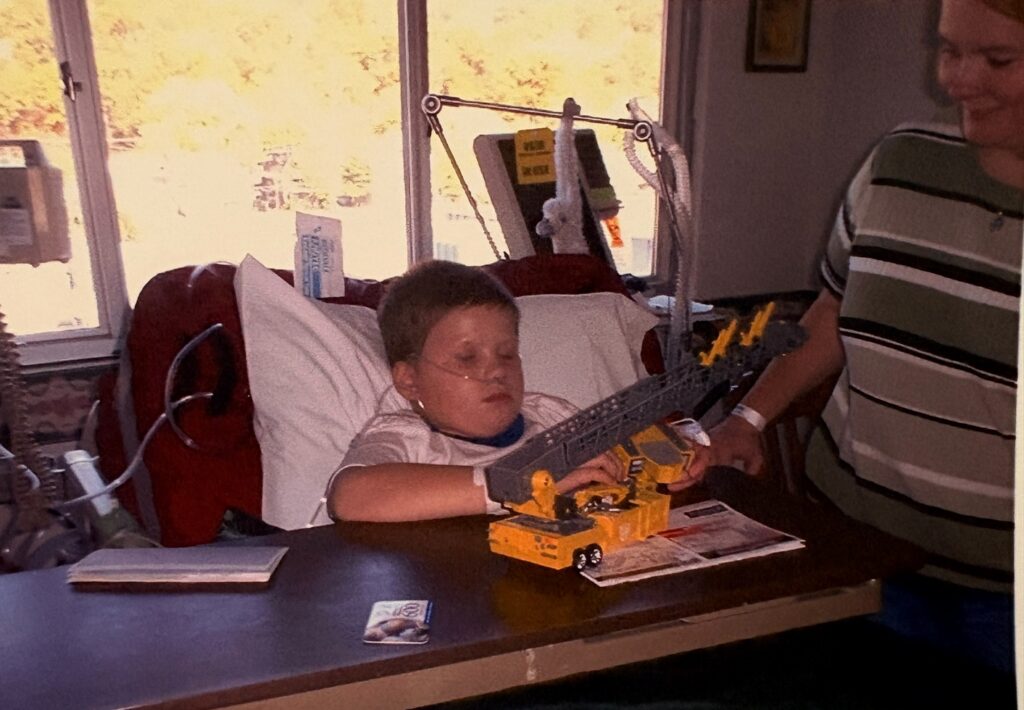
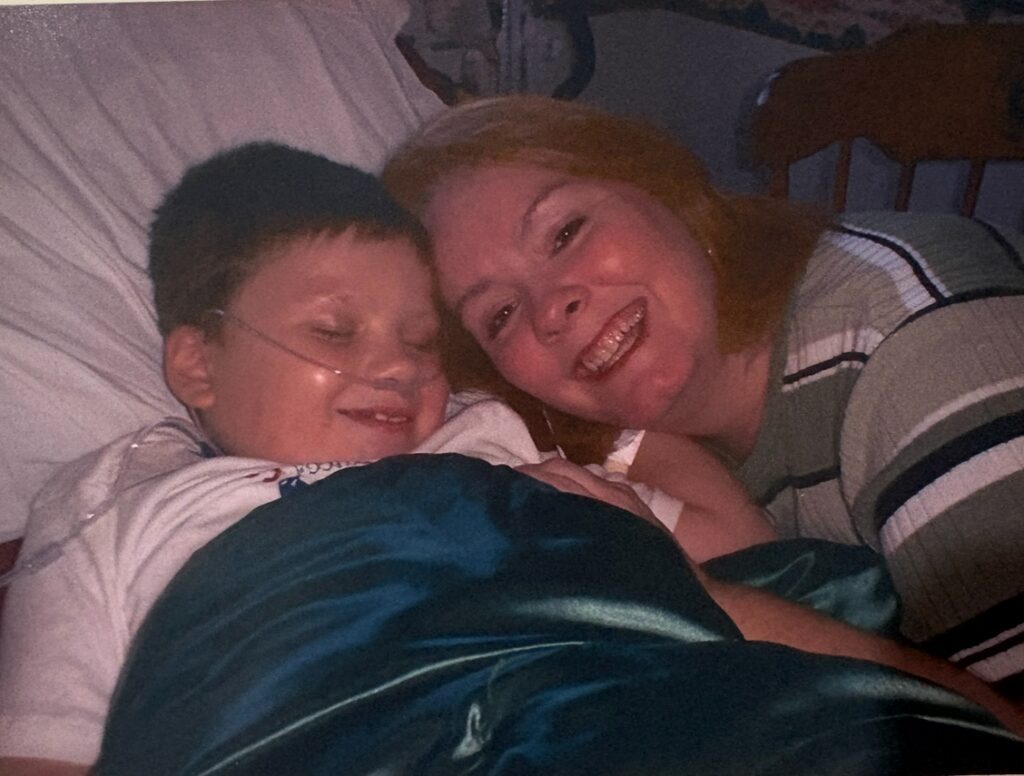
September is Sepsis Awareness Month. This story, told by a Ballad Health team member, demonstrates how important it is to recognize the warning signs of sepsis and to act quickly.
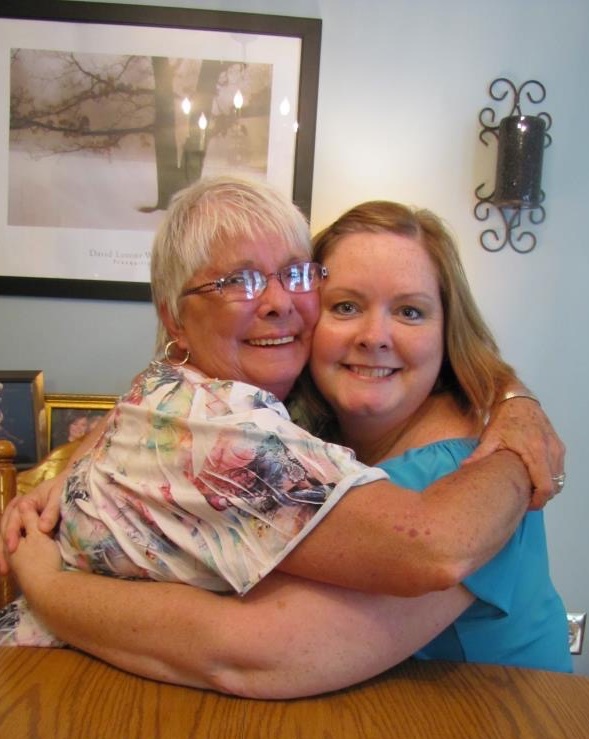

Sepsis can move frighteningly fast. Recognizing it early can mean the difference between life and death.
Regina knows that better than most.
She has watched sepsis threaten the lives of two people she loves — her 8-year-old son, Luke, and years later, her mother. Their experiences were different, but together they taught Regina a lesson she wants others to hear: Know the warning signs. Trust your instincts. And act quickly.
For Regina, that lesson began with Luke.
In 2003, Luke was an energetic 8-year-old playing football on a hot fall day during grandparents’ weekend. He came off the field complaining of a headache and not feeling well.
At first, Regina thought he was just being an 8-year-old boy who didn’t want to play football. Then he came off the field again, this time crying. She noticed he was hot and running a fever.
They took him to the doctor, where Regina was told he probably had the flu. But something didn’t feel right. Luke was normally terrified of doctors and needles. This time, he barely reacted.
“I knew then that something might be up,” Regina says.
That feeling would not go away.
She watched Luke overnight, but by the next morning, he was getting worse. She took him to his pediatrician, who immediately recognized that something was seriously wrong and sent Luke to the hospital.
It was the kind of moment Regina now wants other parents to recognize: When something about your loved one seems different, pay attention. When your instincts tell you something is wrong, act.
It was the kind of moment Regina now wants other parents to recognize: When something about your loved one seems different, pay attention. When your instincts tell you something is wrong, act.
By then, Luke’s condition was deteriorating rapidly.
He was diagnosed with severe sepsis and septic shock. His oxygen levels dropped, his lungs became increasingly rigid and his kidneys began to shut down. He eventually developed multi-system organ failure and myocarditis.
His mother watched as her energetic little boy became critically ill.
Luke ultimately spent about four and a half weeks in the hospital before being transferred to pediatric rehabilitation, where he spent another two and a half weeks learning how to do things most people take for granted — standing, holding a fork, feeding himself and writing.
Fortunately, Luke eventually came home. Regina says that experience never really left her.
“I felt like it was a miracle,” she says.
Years later, Regina would see the importance of early recognition from another perspective when her mother developed sepsis from pneumonia.
This time, the warning signs were recognized immediately.
Her mother had a fever, an elevated white blood cell count, difficulty breathing and organ dysfunction. The emergency physician immediately recognized the possibility of sepsis and began treatment, including blood cultures, lactate testing, antibiotics and fluids.
Her mother was already in septic shock and eventually had to be placed on a ventilator. But treatment began quickly, and she survived. For Regina, the contrast between Luke’s illness and her mother’s experience reinforced what she had learned years earlier: Time matters when it comes to sepsis.
That is why Regina is willing to talk about something that remains deeply emotional for her.
She says she has never really shared the story of Luke’s illness with many people because reliving those moments is difficult. But those experiences have given her a passion for helping others recognize sepsis before it becomes a life-threatening emergency.
“I’ve lived through the fear of watching my son fight for his life, and I’ve seen how quickly treatment can make a difference,” Regina says. “If telling our story helps another family recognize the signs and act sooner, then it’s worth opening up about something personal, something that is still very hard for me to talk about.”
Her message is simple, especially for parents and caregivers: Don’t ignore the feeling that something is wrong.
“Trust your gut,” Regina says. “That’s a God-given instinct. It is there for a purpose and a reason. You have to listen to it.”
Regina knows there are no guarantees with sepsis. But she also knows from watching her son and her mother fight for their lives that early recognition can give someone a better chance to survive.
Be on the lookout for an interactive sepsis quiz coming up later this month, and check out our previous Sepsis Awareness Month messages:
- Know the symptoms of sepsis, using the TIME method.
- A systemwide Grand Rounds event on pediatric sepsis is coming up Sept. 30, offering CME/CNE credit. Get more details here.