


Community Health Improvement Week celebrates the people who go above and beyond to lift up others and strengthen the communities they serve. To bring some awareness, here are stories from three team members, highlighting programs Ballad Health provides and supports to help people in various ways – ultimately improving their health.
Strong Starts program
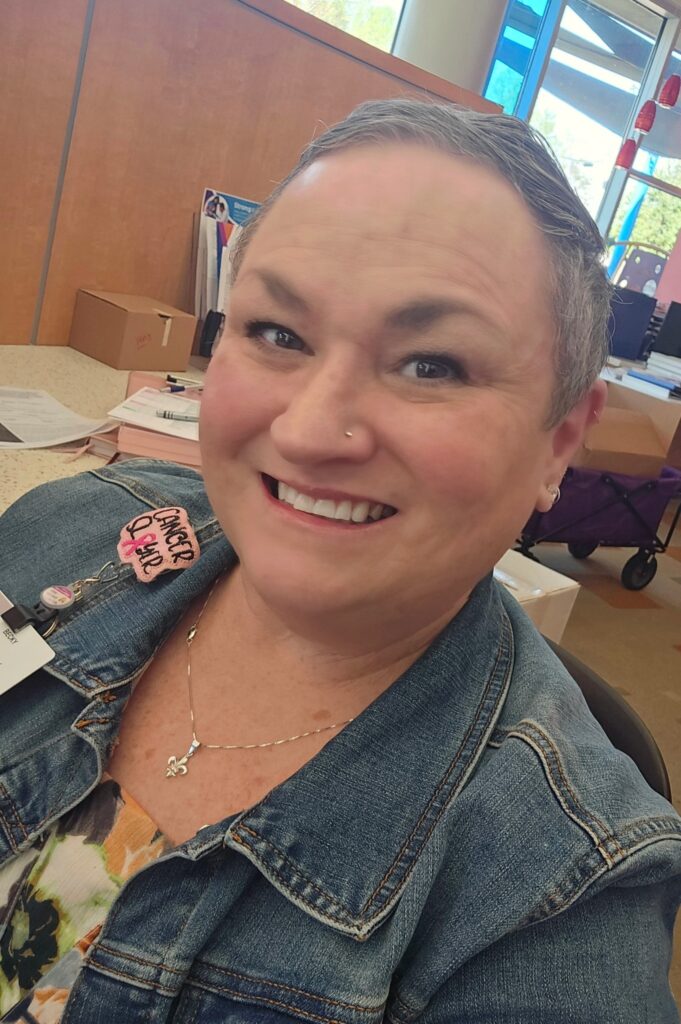
Becky Artrip, a community health navigator with Ballad Health’s Strong Starts, connected with her client right as her family hit rock bottom. Just as the client received custody of her fourth grandchild, her husband suffered an injury that left him unable to work the job that provided for their family for 30 years. They lost their income, their health insurance and, eventually, their home. At the same time, the client’s youngest grandchild began having seizures, requiring ongoing medical care. Homeless and hopeless, the family of six was drowning and needed help.
Becky began by helping the grandfather secure a new job. It wasn’t quite enough to get the family back on their feet, so she connected them with more resources, including SNAP, health benefits through the Appalachian Highlands Care Network and stable housing. The client is now enrolled in Strong Families, offering a secure connection to other resources she might need for her family. Becky changed six lives with her compassion and dedication to her work, helping provide a brighter future.
“Without my Strong Starts family, I wouldn’t have been able to support this family the way I did,” Becky said. “I honestly don’t know where they’d be without all of us coming together.”
AHCN (Appalachian Highlands Care Network)
Nina Thurman, community health navigator, met her client in a difficult place. The client fled an abusive marriage in the middle of the night, arriving at a homeless shelter with only her phone, her ID, a change of clothes and a blanket.
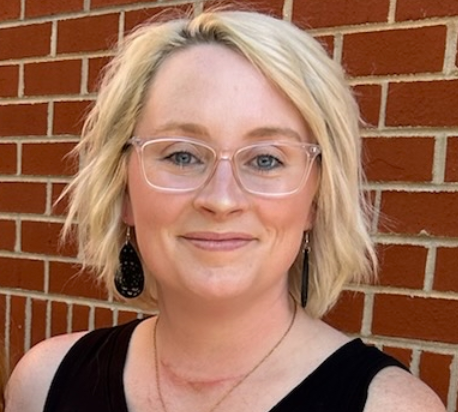
Nina connected with the woman on her third day in the shelter, linking her to CanUP, a homeless resource in Greeneville. The woman walked through the pouring rain to CanUP, where she was welcomed with a hot meal and clean clothes. Shortly after that, she took the first steps into her new life.
The woman was placed into a housing authority less than a week later. Nina helped her client secure a job at the McDonald’s close to her apartment, allowing her to walk to work. Nina and her team helped furnish her client’s bare apartment with some furniture and necessities. A kind neighbor stepped in to give the client dishes and silverware.
The client left behind a 20-year relationship and all the fear and hardship that went with it. She started her new life with nothing but courage and a change of clothes. Today, she’s a floor supervisor at McDonald’s and is working through the company’s manager training program.
She almost didn’t answer the phone the first day Nina called her, fearing it was her husband. But that phone call changed her life forever. “I never imagined I’d be where I am today,” she says. “God answered my prayers that night, and He hasn’t left me yet.”
PEERhelp program
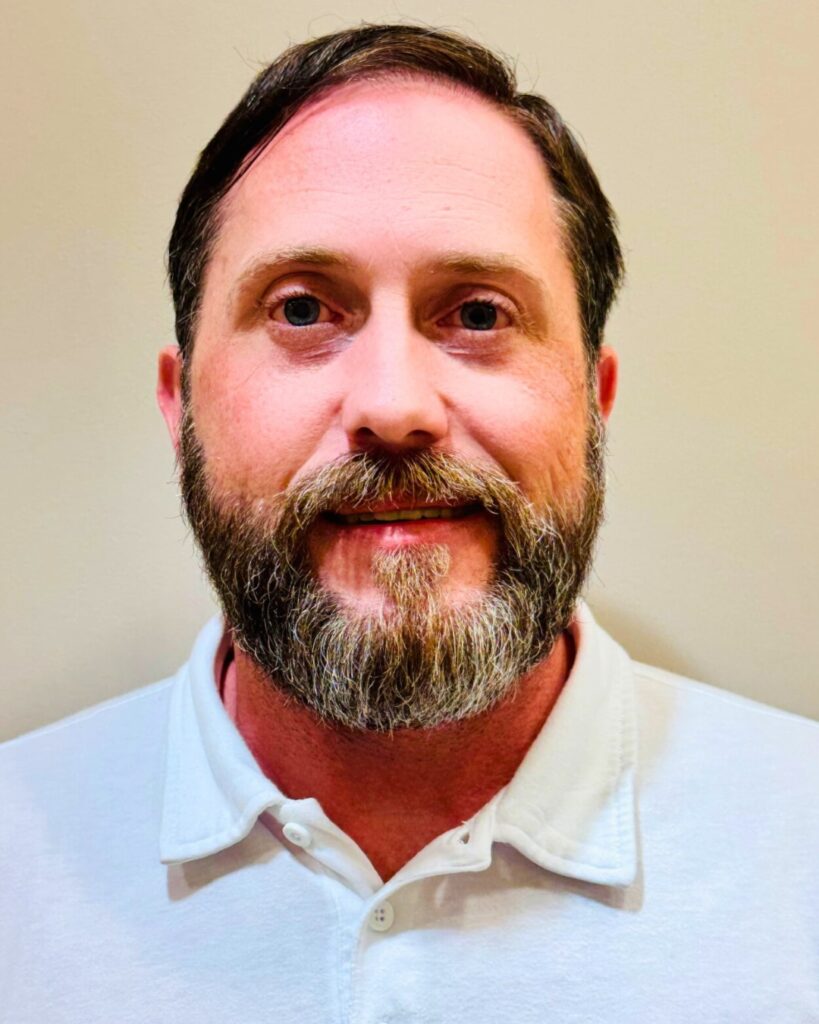
As a PEERhelp navigator, Chris Christian knows what it’s like to be in his clients’ shoes. Chris’ own recovery journey enables him to connect with his clients and guide them through recovery, whether by connecting them with resources or helping them navigate the court system.
One client, in recovery from opioid addiction, returned home after serving several years in prison, including five years in solitary confinement. The client, overwhelmed by how much the world had changed in his time in prison, confined himself to his mother’s home.
A friend encouraged the client to attend a local recovery support group. It took a few meetings, but the client finally realized he was safe in that group of people, and that’s where he met Chris, his assigned PEERhelp navigator. Chris helped his client attain soft skills that the client had lost in prison – how to effectively communicate, how to socialize with different people and how to adapt to sudden changes.
The support that Chris’ client received from his family, recovery group, his social worker and his PEERhelp team enabled him to apply to technical school for his commercial driver’s license (CDL). He finished the program with top scores, and now enjoys a career as a truck driver.
The client continues receiving ongoing support from PEERhelp and has even gone out of his way to help other clients that are beginning their recovery journey. When the client heard that someone else who just started their recovery journey needed scrubs to wear to school, he bought scrubs and had them shipped to the other client’s home several towns away. Chris’ client is now happy, healthy and goes out of his way to pull others up behind him.
